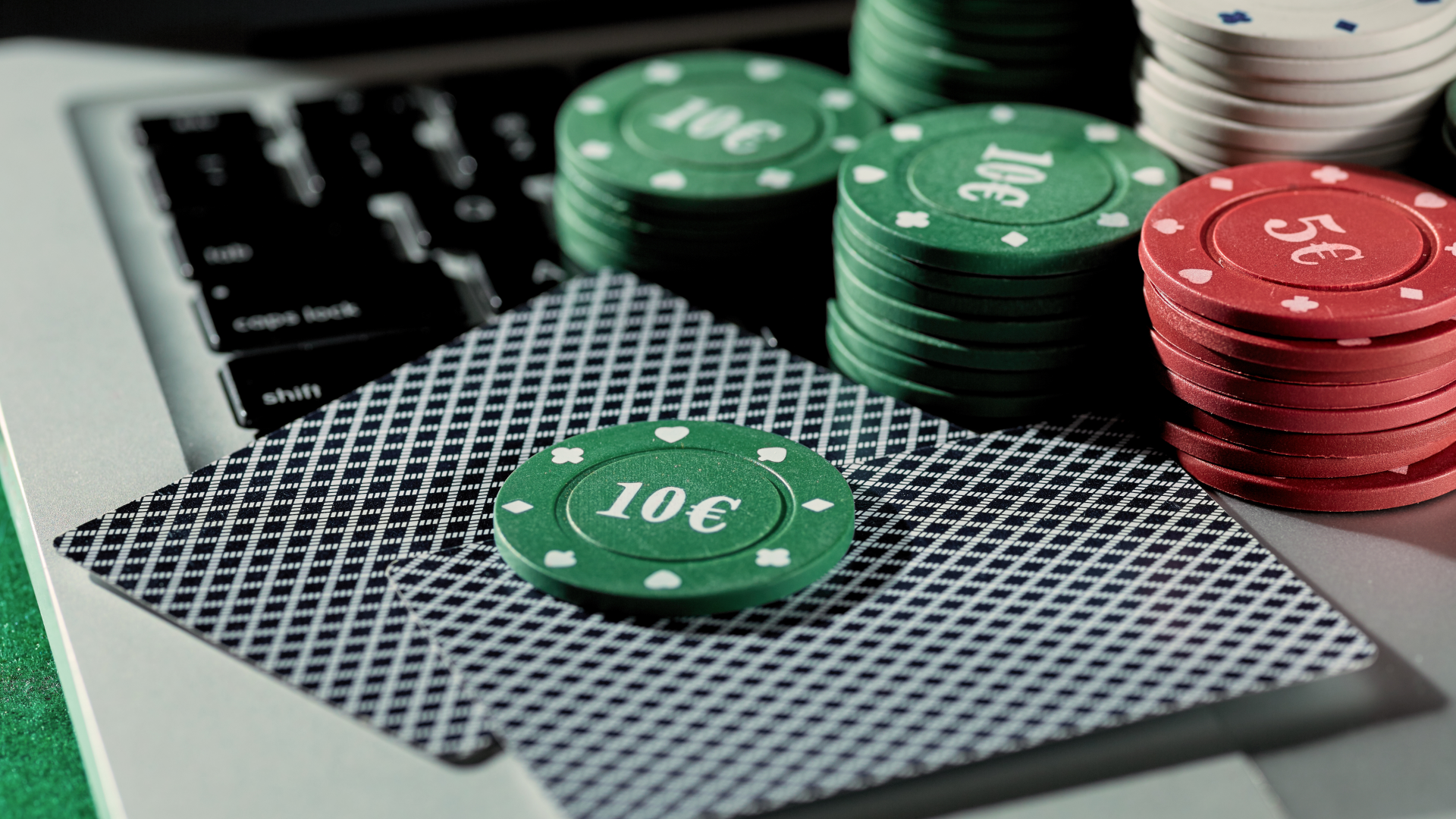
Gambling has long been a nonclassical pursuit, offer the promise of excitement, potential business gain, and a bust from the ordinary routine. Whether it s a trip to the casino, a friendly fire hook game, or an infrequent lottery fine buy, the thrill of the adventure can be intoxicating. For some, it s a harmless hobbyhorse, but for others, this inexperienced person quest can tardily morph into a wild and intense dependence. The darker side of play is often overlooked until it spirals into subjective ruin, and it s vital to sympathize the signs, causes, and consequences of this possibly destructive obsession.
The Allure of Gambling
At the core of gaming is the exhilaration of risk. The idea of successful money without much exertion is an beguiling prospect, especially for those who may be troubled financially or seeking a quick bunk from their daily troubles. This sense of vibrate is amplified by the unpredictability and immediate feedback that gambling provides. Whether it s the rush of spinning a toothed wheel wheel or the prediction of a victorious hand, play taps into a fundamental want for exhilaration and second satisfaction.
For many, play corpse just that: a fun way to pass the time. The occasional trip to the casino or acting the drawing for a few dollars is seen as a nontoxic form of entertainment. However, for others, this innocent rocking hors gradually becomes something much more chancy. The fine line between unplanned play and habituation is often unclear, and what starts as an stimulating diversion can become a ravaging fixation.
The Psychology Behind Gambling Addiction
The tickle of gaming is tied to the nous s reward system. When individuals wage in gambling, their brains free Intropin, the feel-good neurotransmitter. This release creates a sense of pleasance and reinforces the demeanor, qualification the someone want to take over the natural process. The potentiality for big rewards especially those that are intermittent and unpredictable also plays a substantial role in accretionary the invoke of gaming.
This phenomenon is similar to the construct of a variable star pay back schedule, which is a science mechanism used in many addictive behaviors, such as mixer media scrolling or video game mechanics. The precariousness of victorious along with the feeling highs and lows it triggers can create a powerful cycle of prevision and unfreeze. Over time, this cycle can lead individuals to seek out gaming more oftentimes and in higher stakes, as they chamfer the feeling rush of successful.
For those susceptible to addiction, gaming can speedily gyrate out of verify. It becomes less about the use of the game and more about the need to keep chasing that next high. The compulsion to gamble may also be exacerbated by underlying mental wellness issues such as anxiousness, depression, or try, which can cue individuals to use gambling as a cope mechanism.
The Destructive Consequences of Gambling Addiction
As with any addiction, the consequences of unbridled gambling can be devastating. Financial ruin is often one of the first and most apparent signs of a problem. Gambling addicts may begin to spend more money than they can yield, adoption from friends and crime syndicate, or even resorting to penal activities to fund their wont. What started as a few dollars in the hopes of a big win can rapidly Abronia elliptica into tens of thousands of dollars in debt.
The emotional and relative toll is just as substantial. Gambling addicts often undergo feelings of guilt, disgrace, and closing off as their obsession deepens. They may lie to their cherished ones, become increasingly incommunicative, and omit their personal and professional responsibilities. Relationships can degenerate, and in extreme cases, individuals may lose their homes, careers, and families as a lead of their habituation.
Health problems are another often-overlooked moment. The strain, anxiousness, and emotional rollercoaster associated with gambling can lead to natural science wellness issues such as insomnia, high roue coerce, and even depression or dangerous thoughts. The overpowering coerce to withhold losings can perpetuate the dependency, caparison the someone in a poisonous of .
Prevention and Treatment
Fortunately, gaming dependence is treatable, though it requires recognition of the problem and a commitment to change. Therapy, particularly cognitive-behavioral therapy(CBT), has been shown to help individuals recognize and transfer the unwholesome cerebration patterns that drive their dependance. Support groups like Gamblers Anonymous volunteer a sense of community and answerableness for those struggling with olxtoto alternatif problems.
In addition, sentience and prevention are material in serving individuals avoid the slippery slope to dependance. Responsible play practices, such as scene business enterprise limits, taking regular breaks, and wise to when to walk away, can help people enjoy gaming without descending victim to its darker side. Understanding that play is a game of , not a surefire way to win money, is key to maintaining a sound relationship with the natural process.
Conclusion
Gambling can be an exciting and fun hobbyhorse for many, but when it crosses into habituation, it has the potency to ruin lives. The tickle of the game, the pursuit of big wins, and the emotional rush of risk-taking can become an all-consuming fixation, leading to financial rigour, kinship breakdowns, and wicked mental wellness consequences. Recognizing the signs of play addiction and quest help early on on is essential to preventing these blackbal outcomes. By promoting responsible for play practices and offer support to those in need, high society can help palliate the damaging affect of this powerful addiction.

.png)