
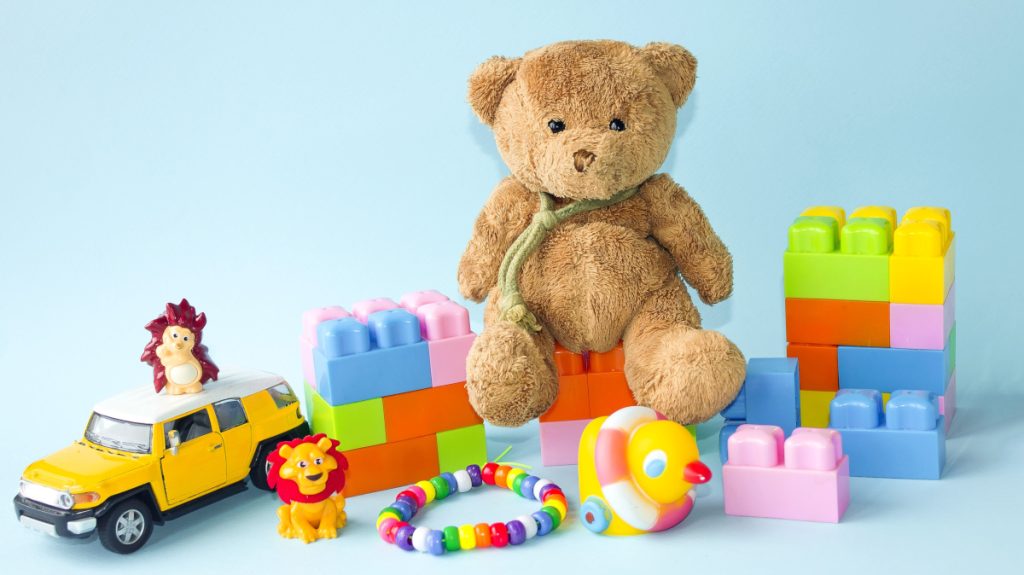
Toys have long been cherished as instruments of fun, but their importance in a child's life goes far beyond mere entertainment. They serve as essential tools that foster curiosity, creativity, and learning. From the simple rattle that a baby grasps for the first time, to the complex building sets that challenge a young mind to think critically, toys have always played a pivotal role in shaping the growth and development of children. In fact, toys act as silent teachers, guiding young learners through different stages of cognitive, emotional, social, and physical development. This article takes a deep dive into the profound impact toys have on shaping the way children think, learn, and interact with the world around them.
The Role of Toys in Cognitive Development: Sparking Curiosity
From the moment babies open their eyes, they begin to absorb information from the world around them. Toys play an important role in stimulating their senses and encouraging exploration. For infants, toys with different textures, sounds, and colors engage their developing sensory systems, which in turn promote brain development. Simple toys like rattles, soft plush animals, or brightly colored objects support the early stages of cognitive growth by introducing babies to the concept of cause and effect.
As children grow older, toys continue to challenge their thinking in increasingly sophisticated ways. Puzzles, building blocks, and games that require strategy encourage the development of problem-solving abilities and spatial awareness. For example, when children build a tower with blocks or attempt to solve a jigsaw puzzle, they are not only learning to manipulate objects, but they are also enhancing their understanding of space, shapes, and patterns. These activities foster essential skills such as critical thinking, memory recall, and the ability to plan and organize ideas.
In an era of rapidly advancing technology, the impact of educational toys has expanded. Toys designed around STEM (Science, Technology, Engineering, and Mathematics) concepts—such as coding kits, robotics, or engineering sets—introduce children to the foundational principles of technology and mathematics. These toys stimulate the mind, encouraging curiosity and sparking an interest in innovation. The interactive nature of these toys encourages experimentation, helping children learn about cause and effect, trial and error, and creative problem-solving. Through play, children begin to develop the intellectual skills needed to navigate a technology-driven world.
Emotional Development Through Play: Building Resilience and Empathy
Toys are not just tools for cognitive growth—they are also crucial for emotional development. Children experience a wide range of emotions as they interact with the world, and toys provide a safe space for them to express, explore, and process these feelings. Play is often a reflection of a child’s inner world, and through imaginative play, children practice navigating emotional experiences.
Pretend play, in particular, plays a key role in helping children make sense of their emotions and develop empathy. Dolls, action figures, and playsets provide children with the opportunity to engage in role-playing, where they act out scenarios and take on different characters. Whether they are playing "house," pretending to be doctors or teachers, or acting out scenes with their favorite toys, children learn how to express their feelings, empathize with others, and manage conflict. By pretending to be a character in a story, children also develop emotional regulation skills—learning how to deal with frustration, disappointment, and joy in a safe and controlled environment.
This type of imaginative play also helps children learn how to interact with others in social settings. For example, a child playing with a group of friends will often navigate sharing, turn-taking, and negotiation—all vital skills for emotional intelligence. Through these interactions, children begin to understand concepts like compassion, fairness, and kindness. The skills developed during play carry over into real-world situations, laying the groundwork for strong interpersonal relationships throughout life.
Social Skills: Fostering Connection and Communication
Toys have an undeniable role in helping children develop social skills. From sharing and cooperation to negotiation and communication, toys provide children with the opportunity to practice navigating social interactions. When children play together, they are given a chance to learn how to collaborate, compromise, and resolve conflicts.
Board games and card games are excellent examples of toys that teach important social lessons. These games require players to follow rules, take turns, and engage with others in a structured setting. Through games, children learn the importance of teamwork and how to handle winning or losing with grace. Whether it’s playing a game of Monopoly or a team-based activity like building a fort out of pillows, children develop a sense of belonging and connection with their peers.
Role-playing toys such as play kitchens, fire trucks, or action figures are also instrumental in fostering communication skills. When children act out real-world scenarios—whether they’re pretending to cook a meal, teach a lesson, or rescue someone from danger—they practice verbal communication and social problem-solving. These activities provide opportunities for children to explore different perspectives and understand the social dynamics of the world around them. As children engage in these types of social play, they become more aware of how their actions affect others and learn how to collaborate and empathize with their peers.
Physical Development: Strengthening Coordination and Motor Skills
In addition to cognitive and emotional growth, toys play a critical role in a child’s physical development. Many toys are designed to promote the development of both fine and gross motor skills, helping children strengthen their muscles, improve hand-eye coordination, and develop agility. For infants, toys that encourage reaching, grasping, and shaking stimulate early motor development. Simple toys like soft balls or stacking rings allow babies to practice grasping and manipulating objects, which contributes to the development of hand-eye coordination.
As children grow, their physical abilities expand. Toys such as bicycles, jump ropes, and sports equipment help children develop their gross motor skills, which involve larger muscle groups and physical coordination. These 樂高香港 provide an outlet for physical activity, helping children build strength, balance, and coordination. Not only do they promote physical health, but they also instill in children a love for active play and outdoor exploration.
Toys that encourage fine motor skills, such as building blocks, puzzles, and art materials, allow children to practice precision and dexterity. Activities like drawing, coloring, and using scissors help children refine their hand-eye coordination and motor control, while also encouraging creativity. These activities build important skills that will serve children throughout their lives, whether they’re learning to write, play an instrument, or engage in other detailed tasks.
The Role of Technology: Integrating Learning and Fun
The toy industry has evolved dramatically over the past few decades, especially with the rise of digital technology. Today, many toys incorporate interactive elements such as touchscreens, voice recognition, and augmented reality. While these tech-infused toys bring a new layer of excitement and engagement, they also serve to enhance learning and creativity.
Digital learning toys, such as educational apps, robotic kits, or interactive books, introduce children to technology in a hands-on way. These toys allow children to explore concepts such as coding, problem-solving, and creativity through immersive experiences. By engaging with technology in a playful context, children can develop digital literacy skills, preparing them for the future while keeping the joy of play at the forefront.
However, with the growing prevalence of screen-based toys, it’s important to maintain a balance between digital play and traditional, hands-on activities. Parents and caregivers must encourage children to interact with toys that foster creativity, physical activity, and face-to-face socialization. Limiting screen time and promoting balanced play is essential for a child’s overall development, ensuring that they have a well-rounded experience of learning and growth.
Sustainability: Toys that Care for the Planet
In recent years, there has been a shift toward sustainable toys, as more parents seek to reduce their environmental impact. Eco-friendly toys made from recycled materials, organic fabrics, or non-toxic paints are gaining popularity. These sustainable alternatives help reduce waste, promote environmentally responsible consumption, and teach children important lessons about caring for the planet.
Playing with eco-friendly toys also gives children the opportunity to learn about the importance of sustainability and environmental stewardship. By choosing products that are made with sustainability in mind, children become more aware of their impact on the environment and how they can contribute to a healthier, more sustainable world.
Conclusion: Toys as Catalysts for Growth
Toys are much more than objects of fun. They are catalysts for growth, learning, and connection. Whether sparking creativity, fostering emotional intelligence, promoting physical development, or teaching social skills, toys are integral to a child’s holistic development. The impact of toys on a child’s life is profound, shaping the way they learn, interact, and view the world.
As the toy industry continues to evolve, with innovations in technology and a growing focus on sustainability, toys will remain vital tools in shaping the minds of future generations. In every toy lies the potential to nurture curiosity, creativity, and connection—helping children grow into well-rounded, thoughtful, and engaged individuals.