Author: Millermarker

The Diamond Journey: From Earth’s Depths to Human HeartsThe Diamond Journey: From Earth’s Depths to Human Hearts

Diamonds are often regarded as the ultimate symbol of beauty, wealth, and eternal commitment. From their formation deep beneath the Earth's surface to their dazzling presence in high-end jewelry, diamonds have captivated humanity for centuries. These gems are not just prized for their visual appeal but also for their extraordinary qualities and complex journey through time. In this article, we will explore the formation of diamonds, their cultural significance, modern applications, and the future of this timeless gemstone.

1. The Formation of Diamonds: A Geological Marvel

Diamonds form deep within the Earth’s mantle, about 90 to 120 miles (150 to 200 kilometers) beneath the surface. Under immense pressure and temperatures of around 2,000 to 2,500 degrees Fahrenheit (1,100 to 1,400 degrees Celsius), carbon atoms are transformed into a crystalline structure that forms diamonds. This process takes millions, even billions, of years, making diamonds one of the oldest materials found on Earth.

The carbon that eventually becomes lab made diamond often originates from organic material, such as plant matter, or can be derived from deep carbon deposits in the Earth’s mantle. Once formed, diamonds are transported to the surface through volcanic eruptions that force kimberlite pipes—tunnels created by volcanic activity—to the Earth’s surface. These pipes carry diamonds, allowing miners to extract them and bring them to light.

2. Diamonds in History: Symbols of Power and Prestige

Throughout history, diamonds have been valued as symbols of power, prestige, and divine favor. Ancient civilizations such as the Greeks and Romans believed that diamonds were tears of the gods or fragments of fallen stars, imbuing them with mystical properties. In India, diamonds were regarded as sacred, often worn by royalty and warriors to signify their strength and invincibility.

In medieval Europe, diamonds were believed to possess protective powers, including the ability to heal wounds or provide strength in battle. By the 15th century, European aristocracy began to adopt diamonds as personal treasures and symbols of wealth. The famous Hope Diamond, a 45.52-carat blue diamond, is one such example, with a history of being owned by royalty before finding its place in the Smithsonian Institution’s collection.

The 20th century saw diamonds become entrenched in Western culture, particularly with the rise of engagement rings as a symbol of commitment. De Beers' "A Diamond is Forever" campaign, launched in 1947, revolutionized the diamond industry by promoting the diamond as a lasting symbol of love and marriage. Today, diamonds continue to hold deep emotional significance, especially in the context of romantic love.

3. The Science Behind the Sparkle: Why Diamonds Shine So Bright

A diamond’s dazzling brilliance is a result of its unique ability to refract and reflect light. The exceptional hardness of diamonds (they are the hardest known natural material) allows them to cut light at precise angles, causing the stone to sparkle. The way light interacts with a diamond is primarily influenced by its cut, which is arguably the most critical factor in its appearance.

The cut of a diamond refers to how well the stone has been shaped, with each facet designed to maximize light reflection. A well-cut diamond will reflect light beautifully, creating an intense sparkle. The most popular diamond cuts, such as the round brilliant, cushion, and princess cuts, have been perfected over centuries to achieve optimal brilliance.

Other factors that contribute to a diamond’s visual appeal are its clarity (the absence of internal imperfections or inclusions), color (the less color a diamond has, the more valuable it is), and carat (the weight of the diamond). Together, these attributes create the breathtaking visual effect that diamonds are famous for.

4. Diamonds in Modern Applications: More Than Just Jewelry

While diamonds are most commonly associated with luxury jewelry, their applications extend far beyond personal adornment. Diamonds are also used in a wide range of industrial and technological fields due to their unrivaled hardness and durability.

In industry, diamonds are invaluable in cutting, grinding, and drilling applications. Tools equipped with diamond tips or coatings are used to cut through hard materials such as metals, concrete, and stone. This makes diamonds essential in manufacturing, mining, and construction.

In the field of technology, diamonds are being explored for their potential in quantum computing. Due to their stable properties, diamonds, particularly a type known as "synthetic diamonds," are being used in experiments to develop advanced computing systems that could revolutionize the way we process data.

Diamonds are also increasingly being utilized in electronics. Their excellent thermal conductivity makes them an ideal material for use in heat sinks, which dissipate heat in high-performance electronics like computers, LED lights, and power electronics.

5. Ethical Diamonds: The Rise of Responsible Sourcing

One of the most significant issues surrounding the diamond industry in recent decades has been the ethical concerns regarding conflict diamonds. Often mined in war zones and sold to finance armed conflict, these diamonds have led to widespread human rights abuses. To address these issues, the Kimberley Process Certification Scheme was established in 2003, aimed at ensuring that diamonds are sourced from conflict-free regions.

In response to growing concerns over the environmental impact and human rights violations associated with traditional diamond mining, there has been a significant shift toward sustainable and ethical sourcing. Many consumers are now opting for diamonds that are certified as ethically sourced, ensuring that they are not contributing to environmental destruction or supporting conflict in unstable regions.

In addition, the popularity of lab-grown diamonds has risen in recent years. These diamonds are created using high-pressure, high-temperature methods or chemical vapor deposition in a laboratory, making them virtually identical to naturally mined diamonds in terms of appearance and chemical composition. The key difference is that lab-grown diamonds are much more sustainable, as they have a much lower environmental impact and are free from ethical concerns surrounding traditional mining.

6. The Future of Diamonds: Innovation and Sustainability

The future of diamonds is filled with both innovation and sustainability. Lab-grown diamonds are expected to continue to disrupt the industry, offering a more ethical and eco-friendly alternative to natural diamonds. Advances in technology will likely improve the production of lab-grown diamonds, making them even more accessible to a broader range of consumers. As environmental and ethical concerns become more significant to modern consumers, the demand for responsibly sourced and lab-grown diamonds will continue to rise.

Moreover, diamonds' unique properties are leading to groundbreaking developments in scientific fields such as quantum mechanics, photonics, and electronics. The ability to harness diamonds in areas such as high-performance computing and data storage could have far-reaching implications for technology in the coming decades.

Conclusion: A Diamond’s Timeless Legacy

Diamonds are much more than just beautiful gems; they are natural wonders that have journeyed from the depths of the Earth to become cherished symbols of love, power, and commitment. Their ability to captivate and inspire has remained unchanged for centuries, and their uses extend far beyond jewelry, impacting industries ranging from manufacturing to quantum computing.

As the diamond industry evolves to meet ethical standards and embrace technological advancements, the diamond’s role in our lives is sure to continue to expand. Whether adorning a finger or powering the next great technological breakthrough, diamonds will always be a lasting testament to nature’s brilliance and humanity’s ingenuity.


JollyHelper: Your Trusted Partner in Domestic Helper RecruitmentJollyHelper: Your Trusted Partner in Domestic Helper Recruitment

In busy households, domestic helpers are vital for maintaining order and efficiency. Whether it’s managing household tasks, providing care for children, or assisting elderly family members, the right domestic helper can greatly enhance a family’s quality of life. JollyHelper has emerged as a trusted platform that simplifies the process of finding qualified 菲傭 s, offering families a more convenient, transparent, and reliable solution to meet their household needs.

JollyHelper’s online platform is designed to connect employers with experienced domestic helpers from key countries such as the Philippines and Indonesia. What makes JollyHelper stand out is the ability for employers to browse a wide range of helper profiles that include detailed information on skills, work experience, and personal attributes. Whether you need help with cleaning, childcare, cooking, or elderly care, the platform allows you to find helpers who meet your specific requirements.

The ease of using JollyHelper is a game-changer in the domestic helper recruitment industry. Rather than relying on traditional agencies, employers can directly communicate with potential helpers and make informed decisions based on their needs. This direct connection saves time and removes the confusion that often comes with third-party intermediaries. Additionally, JollyHelper provides continuous support, ensuring both helpers and employers are satisfied with their arrangements.

One of the key features of JollyHelper is its commitment to quality and transparency. The platform provides a safe and professional environment for both employers and helpers, offering tools for in-depth interviews, reference checks, and clear contracts. This peace of mind makes JollyHelper an excellent choice for families looking for reliable and skilled domestic assistance.

In conclusion, JollyHelper is not just a recruitment platform—it’s a dedicated service that aims to improve the way families access domestic help. With its modern approach, extensive database, and excellent customer support, JollyHelper is revolutionizing the domestic helper industry, making it easier for families to find the right fit for their home.

Co-Living Spaces: The Future of Modern Urban LivingCo-Living Spaces: The Future of Modern Urban Living

With the rising cost of urban living and the increasing demand for flexible housing options, co-living spaces have emerged as a popular solution for young professionals, digital nomads, and students. These shared living arrangements offer a balance between affordability, convenience, and community, making them an attractive alternative to traditional rentals.

Why Co-Living is Becoming a Global Trend

1. Affordability and Cost Savings

One of the main reasons people choose co-living spaces is the financial benefit. With high rental prices in major cities, co-living offers a more affordable solution by splitting costs such as rent, utilities, and maintenance among multiple residents.

2. Fully Furnished, Move-in Ready Accommodations

Unlike traditional rentals, co-living spaces are fully furnished with stylish interiors and modern amenities. This eliminates the hassle of purchasing furniture or setting up utilities, making it a convenient option for those looking for a seamless move-in experience.

3. Community-Oriented Living Environment

Co-living promotes a sense of community by providing shared common areas, organized social events, and networking opportunities. Whether it’s through shared meals, co-working spaces, or recreational activities, residents can build meaningful relationships and engage with like-minded individuals.

4. Flexible Lease Terms

Unlike conventional long-term rental agreements, co-living spaces offer flexible lease terms, allowing residents to stay for short durations or extend their stay as needed. This is particularly beneficial for travelers, remote workers, and expatriates.

5. Access to Premium Amenities

Many co-living properties provide high-end facilities such as fitness centers, rooftop lounges, game rooms, and coworking spaces. Additional services like housekeeping, laundry, and high-speed internet enhance the overall living experience.

Key Features of a Quality serviced apartment for rent hong kong Space

1. Private and Shared Room Options

Co-living spaces typically offer a variety of accommodations, including private rooms with en-suite bathrooms and shared rooms for those on a tighter budget. Choosing the right option depends on personal preferences and financial considerations.

2. Central Locations with Excellent Connectivity

Top co-living spaces are strategically located in vibrant neighborhoods, close to business districts, public transportation, and entertainment hubs. This ensures residents have easy access to work, leisure, and essential services.

3. Secure and Safe Living Environment

Safety is a top priority in co-living spaces, with features like CCTV surveillance, keycard access, and on-site security personnel. These measures provide peace of mind and ensure a safe living experience for all residents.

4. Community Engagement and Social Events

A good co-living space fosters community engagement through organized events such as workshops, networking sessions, yoga classes, and group outings. These activities help residents integrate into their new environment and make meaningful connections.

5. Eco-Friendly and Sustainable Practices

Many modern co-living properties incorporate sustainable features such as energy-efficient appliances, recycling programs, and eco-friendly building designs. Residents who prioritize sustainability can enjoy a greener lifestyle while reducing their environmental impact.

Top Destinations for Co-Living Around the World

1. Hong Kong

With skyrocketing rent prices, co-living in Hong Kong has become a preferred choice for young professionals and expats. Locations such as Causeway Bay, Sheung Wan, and Tsim Sha Tsui offer well-designed co-living accommodations.

2. Singapore

Singapore’s co-living scene is rapidly expanding, providing modern shared spaces in prime districts like Orchard, Marina Bay, and Tanjong Pagar. These properties cater to professionals, entrepreneurs, and international students.

3. New York City

In a city where real estate prices are among the highest in the world, co-living spaces in Brooklyn, Manhattan, and Queens offer affordable and community-focused housing options for city dwellers.

4. London

London’s co-living sector is thriving, with stylish accommodations in neighborhoods like Shoreditch, Canary Wharf, and Camden. These spaces appeal to remote workers and young professionals looking for an inclusive community.

5. Bangkok

Bangkok has become a hub for digital nomads, and its co-living options in Sukhumvit and Sathorn provide comfortable, budget-friendly living solutions with coworking spaces and networking opportunities.

How to Choose the Best Co-Living Space

1. Define Your Budget and Preferences

Before selecting a co-living space, determine your budget and desired features. Some residents may prioritize affordability, while others look for premium amenities and private accommodations.

2. Research the Community and Culture

Different co-living spaces cater to various lifestyles, from entrepreneur-focused environments to wellness-centered communities. Choose a space that aligns with your personal and professional needs.

3. Check Reviews and Resident Experiences

Reading online reviews and testimonials from past and current residents can provide valuable insights into the quality of accommodations, services, and the overall living experience.

4. Take a Virtual or In-Person Tour

Many co-living operators offer virtual or in-person tours, allowing potential residents to explore the space before making a decision. This is crucial in assessing comfort, cleanliness, and available amenities.

5. Evaluate Flexibility and Lease Terms

Ensure that the co-living space offers lease terms that fit your needs, whether short-term or long-term. A flexible contract can be beneficial for those who may need to relocate frequently.

Conclusion: Is Co-Living Right for You?

Co-living spaces present a modern, flexible, and community-driven approach to urban living, making them an ideal solution for professionals, students, and remote workers. With affordable pricing, premium amenities, and vibrant social environments, co-living is transforming the way people experience city life.

If you’re looking for an innovative housing solution that combines affordability, convenience, and social interaction, co-living could be the perfect fit for your lifestyle. Explore your options, visit different properties, and embrace a new way of living that prioritizes community and connectivity.

Self-Storage: The Essential Solution for Modern Living and Business NeedsSelf-Storage: The Essential Solution for Modern Living and Business Needs

In today’s fast-paced world, the constant need for more space is something that many of us grapple with. Whether you’re trying to make room at home, manage the overflow from your business, or store items during a transition, the challenge of finding enough storage can become overwhelming. Fortunately, self-storage has emerged as an ideal solution, offering a convenient, secure, and flexible way to keep your belongings organized without cluttering your living or working space.

In this article, we’ll explore the concept of self-storage, its benefits, and why it has become an increasingly popular choice for people across various walks of life.

What is Self-Storage?

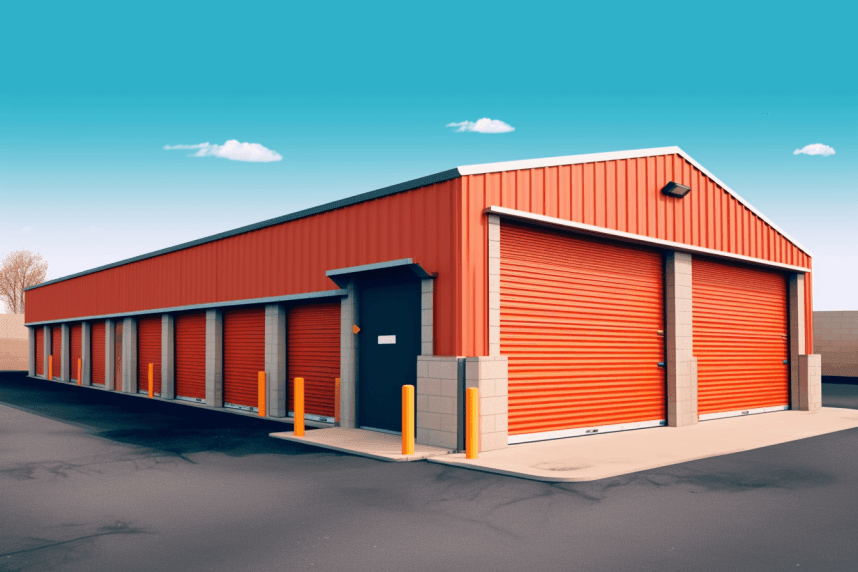
Self-storage is a service where individuals or businesses rent out a secure space, known as a storage unit, within a facility. These units can vary in size and are available on a short-term or long-term basis, providing customers with the flexibility to store items as needed. Facilities usually offer a range of sizes, from small lockers to large units that can hold the contents of an entire home or office.

Self-storage facilities are often equipped with security measures such as gated access, surveillance cameras, and individual locks for each unit to ensure the safety of stored items. Some facilities even provide climate-controlled units for items sensitive to temperature or humidity fluctuations.

Reasons for Using Self-Storage

Self-storage can be beneficial for a variety of reasons, catering to different needs and circumstances. Let’s look at some of the most common uses for self-storage:

1. Moving and Relocation

One of the most common reasons people use self-storage is during a move. The process of relocating, whether to a new city or just a different home, can be stressful and chaotic. Self-storage offers a temporary solution for storing your belongings until you can settle into your new place. It’s especially useful when there’s a gap between moving out of one property and into another, as it eliminates the need for rushed packing and unpacking.

2. Decluttering Your Home

Over time, it’s easy to accumulate items you no longer need or use but still have emotional or practical value. Self-storage offers a solution for those who want to declutter their home without throwing away belongings that they aren’t ready to part with. It’s a great way to store seasonal items like winter clothes, holiday decorations, or off-season sports equipment, freeing up valuable space at home.

3. Business and Inventory Storage

Small business owners, e-commerce sellers, and startups often face space constraints when it comes to storing inventory or business supplies. Renting a self-storage unit provides an affordable solution, allowing businesses to store items such as stock, paperwork, equipment, or even seasonal promotional materials. This is particularly valuable for online retailers who need to keep inventory organized without the overhead costs associated with renting large warehouse space.

4. Home Renovations

During home renovations or construction projects, it’s essential to keep furniture, appliances, and personal belongings safe from dust, damage, and disruptions. Renting a self-storage unit for the duration of the project ensures that these items are securely stored, giving contractors more room to work and keeping your belongings safe and out of harm’s way.

5. Personal Storage for Sentimental Items

Many people have items that hold sentimental value—things like family heirlooms, childhood mementos, or important documents—that they don’t want to part with but aren’t actively using. Self-storage allows individuals to store these precious items in a secure, climate-controlled environment, keeping them safe for future generations.

6. Vehicle Storage

If you own multiple vehicles or only need your vehicle during certain seasons, 儲存倉 can be a perfect solution. Many self-storage facilities offer spaces specifically designed for storing cars, motorcycles, RVs, boats, and trailers. Whether you need to store your vehicle for the winter or simply lack the space at home, these storage units help keep your vehicle safe from weather-related damage.

Key Benefits of Self-Storage

Self-storage is not only a convenient option but also offers several compelling advantages. Let’s take a look at why self-storage has become so popular.

1. Flexibility and Convenience

One of the main appeals of self-storage is the flexibility it offers. Unlike long-term rentals, self-storage units can be rented on a month-to-month basis, allowing you to use them as long as needed. This is ideal for people who may need storage temporarily, such as during a move or renovation, or those who want long-term storage for seasonal items. Many self-storage facilities also offer 24/7 access, allowing you to retrieve your items at any time.

2. Affordability

Self-storage is generally much more affordable than traditional storage options, such as renting a larger home or commercial property. Because you only rent the space you need, it’s a cost-effective way to store belongings without committing to long-term leases or purchasing larger living or office spaces. Self-storage allows you to maintain your budget while still keeping your items safe and organized.

3. Security

Self-storage facilities take security seriously. Many facilities feature 24/7 video surveillance, gated entry, individually alarmed units, and on-site security personnel to ensure that your belongings are safe and protected. For those storing valuable or sensitive items, climate-controlled storage options offer added peace of mind by providing the ideal environment for maintaining items like electronics, artwork, or furniture.

4. Space Optimization

Whether you're downsizing, expanding, or simply trying to keep your home or office organized, self-storage can help optimize your space. By keeping items you don’t use regularly in storage, you can enjoy a more functional living or working environment. This is particularly helpful for people in urban areas where space is limited and expensive. By utilizing self-storage, you don’t need to give up your items or deal with the hassle of selling them.

5. Climate-Controlled Options

Some self-storage facilities offer climate-controlled units, which are essential for items sensitive to changes in temperature or humidity. These can be particularly useful for storing items such as important documents, antiques, artwork, musical instruments, and electronics. Climate control ensures that your items are preserved in optimal conditions, preventing damage caused by moisture or extreme temperatures.

How to Choose the Right Self-Storage Facility

When choosing a self-storage facility, there are several factors to consider to ensure you select the right one for your needs:

  • Location: Choose a facility that’s convenient and easy to access. If you plan to visit your unit regularly, selecting a location close to your home or office is important.

  • Security Features: Look for a facility with strong security measures, including surveillance cameras, gated access, and on-site security personnel. If storing valuable items, inquire about the availability of climate-controlled units.

  • Pricing: Compare prices among different facilities to ensure you’re getting a good deal. Look for any hidden fees and inquire about discounts for long-term rentals.

  • Unit Size: Make sure the facility offers a variety of unit sizes to accommodate your needs. Renting a larger unit than you need can lead to wasted space and higher costs, while a smaller unit might not provide enough room.

  • Access Hours: Check the access hours to ensure they align with your schedule. Some facilities offer 24/7 access, while others may have limited hours.

Conclusion

Self-storage has quickly become a go-to solution for those in need of extra space. Whether you’re moving, decluttering, renovating, or running a business, self-storage offers a flexible, secure, and affordable way to keep your belongings safe and organized. With various options available, including climate-controlled units and round-the-clock access, it’s easy to see why more people are turning to self-storage as a smart solution for their space management needs. As our lives continue to grow more dynamic and our spaces more compact, self-storage will undoubtedly remain a vital tool in helping us manage our possessions efficiently and securely.

Self-Storage: The Ultimate Space-Saving Solution for Homes and BusinessesSelf-Storage: The Ultimate Space-Saving Solution for Homes and Businesses

In today’s fast-paced world, space has become a luxury. Whether you're living in a small apartment, running a growing business, or simply need a place to store seasonal items, self-storage is a practical and cost-effective solution. With urban areas becoming more crowded, people are turning to self-storage facilities to keep their belongings safe and organized.

At Uspace, we offer secure, flexible, and affordable self-storage options that cater to individuals, families, and businesses. In this article, we will explore the many benefits of self-storage, tips for selecting the right unit, and strategies for maximizing your storage space.


Why is Self-Storage Important?

1. Helps Declutter Your Home

Over time, homes can accumulate clutter, making it harder to find space for essential items. Self-storage allows you to store furniture, seasonal clothing, sentimental items, and household goods without crowding your living space.

2. Provides a Safe Place for Valuables

Important documents, collectibles, and family heirlooms need a secure environment. Self-storage units with high-security features ensure that your valuable items remain protected from theft, fire, and environmental damage.

3. Makes Moving Easier

Moving to a new home can be stressful, especially if your new space isn’t ready yet. A storage unit provides a temporary space to keep your belongings safe during the transition.

4. Ideal for Small Businesses and Startups

For businesses that need extra space for inventory, office supplies, or archived records, self-storage is a cost-effective alternative to renting expensive office space.

5. Keeps Seasonal Items Organized

From winter clothes to holiday decorations, self-storage is perfect for items that you only use at certain times of the year. This prevents clutter at home while keeping everything easily accessible.


Benefits of Using a Self-Storage Facility

1. Security and Peace of Mind

Reputable self-storage facilities like Uspace provide:

24/7 CCTV surveillance

Secure access control

Alarm systems

Well-lit storage areas

These features ensure that your belongings remain safe at all times.

2. Flexibility and Convenience

Self-storage units come in different sizes and rental terms, making them suitable for both short-term and long-term storage needs.

3. Cost-Effective Alternative

Instead of renting additional office or home space, self-storage allows you to pay only for the space you need, making it a budget-friendly option.

4. Protection from Environmental Damage

Climate-controlled storage units help protect items from extreme temperatures, humidity, and moisture, which can cause damage over time.

5. 24/7 Access to Your Belongings

Many storage facilities allow you to access your unit anytime, making it convenient for personal and business storage needs.


How to Choose the Right Self-Storage Unit

1. Determine the Right Size

Storage units come in various sizes, from small lockers to large warehouse-style spaces. Consider:

How much space you need

Whether you’ll add more items in the future

If you need extra room to move around inside the unit

2. Check Security Measures

Ensure the facility has:

Surveillance cameras

Gated access

Fire prevention systems

3. Consider Climate-Controlled Storage

If you're storing delicate items like electronics, artwork, or furniture, a climate-controlled unit can prevent damage from humidity and extreme temperatures.

4. Location Matters

A storage facility close to your home or office makes it easier to access your belongings when needed.

5. Compare Pricing and Terms

Look for a facility that offers flexible rental terms, competitive pricing, and no hidden fees. Some providers offer discounts for long-term storage.


How to Pack and Organize Your Storage Unit Efficiently

1. Use High-Quality Packing Supplies

Invest in durable boxes, bubble wrap, and packing tape to protect your items.

2. Label Everything Clearly

Mark each box with its contents and keep a list of stored items.

3. Place Frequently Used Items at the Front

Store essential items near the entrance so they’re easy to access.

4. Stack Boxes Properly

Heavier boxes at the bottom

Lighter and fragile items on top

Leave a small walkway for easy access

5. Use Shelves for Better Organization

Shelving units help maximize vertical space and keep smaller items organized.

6. Cover Furniture and Electronics

Use protective covers to prevent dust buildup and scratches.


Common Mistakes to Avoid in Self-Storage

Not Choosing the Right Size – A unit that’s too small will be overcrowded, while a unit that’s too big may be an unnecessary expense.

Ignoring Security Features – Always choose a facility with strong security measures.

Failing to Use Climate Control When Needed – Delicate items may suffer damage if not stored in a climate-controlled unit.

Not Labeling Boxes – Unlabeled boxes make it difficult to find items later.

Overloading the Unit – Cramming items in without organization can make retrieval difficult and increase the risk of damage.


Why Choose Uspace for Self-Storage in Hong Kong?

If you're looking for a trusted self-storage provider, Uspace is the perfect choice.

High-Security Standards – 24/7 surveillance, access control, and fire protection.

Affordable Pricing – Competitive rates with no hidden costs.

Flexible Rental Terms – Short-term and long-term options available.

Convenient Locations – Easily accessible storage units near you.

Climate-Controlled Units Available – Protect your valuable and sensitive belongings.


FAQs About Self-Storage

1. How Long Can I Rent a Storage Unit?

Most facilities offer flexible rental periods, from a few weeks to several years.

2. What Items Can I Store?

Furniture

Documents

Clothing

Electronics

Business inventory

Prohibited Items: Perishable food, flammable materials, weapons, and hazardous chemicals.

3. Can I Access My Storage Unit Anytime?

Most storage facilities, including Uspace, offer 24/7 access.

4. Do I Need Insurance for My Stored Items?

Some facilities provide storage insurance, and it’s always recommended for valuable belongings.


Conclusion

紅酒倉 is an efficient and cost-effective way to manage personal and business belongings. Whether you're moving, decluttering, or running a business, a secure and reliable storage facility like Uspace can provide the space you need.

By choosing the right unit, packing efficiently, and following best storage practices, you can maximize your space and keep your belongings in top condition. Contact Uspace today to find the perfect storage solution for your needs!