When homeowners start facing problems with their garage doors, sensor issues are often the first thing they suspect. Modern garage doors depend heavily on accurate sensor performance for safety and smooth operation.
Because of this, many homeowners look for garage door repairs when the door refuses to close, reverses unexpectedly, or stops halfway. These problems usually trace back to the sensors.
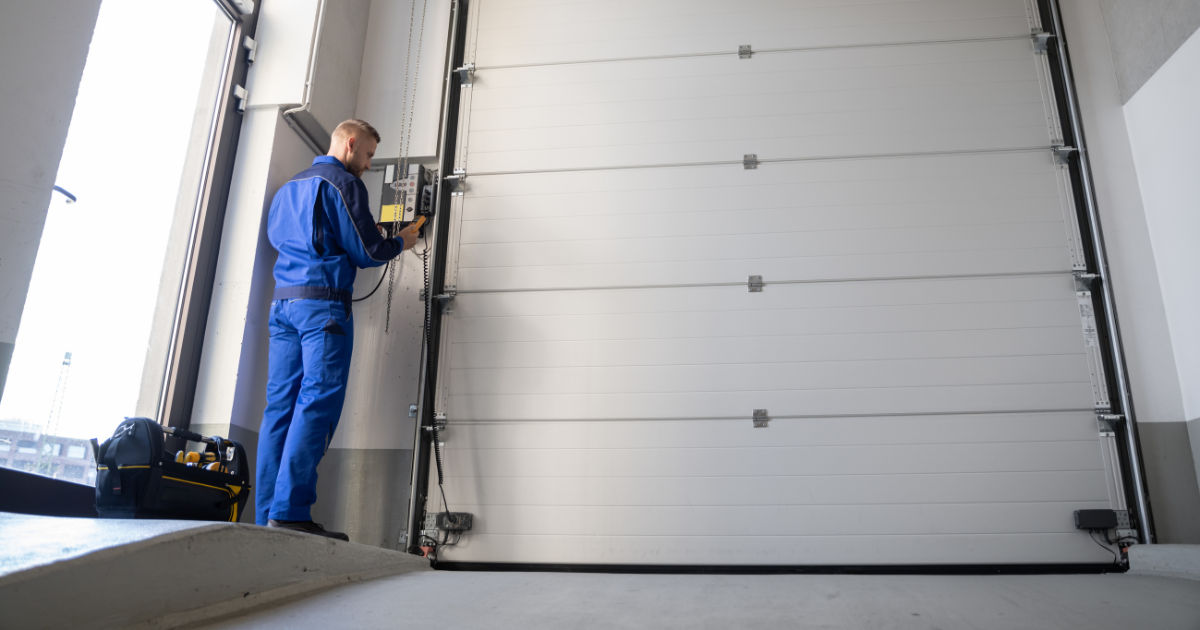
In this comprehensive guide, we will explore everything you need to know about recognizing, diagnosing, and fixing sensor issues. Whether you’re troubleshooting at home or planning to call a professional, understanding the root of these problems helps you make informed decisions. Since garage door repairs continue to be one of the most requested home maintenance services, especially involving sensors, this guide provides clear and easy knowledge you can use immediately.
The Role of Sensors
Sensors are the safety backbone of any automatic garage door system. Without them, your door would become a huge moving object with no awareness of what stands in its path. Many homeowners request garage door repairs simply because they don’t recognize what sensors do or why they malfunction.
What Sensors Actually Do
Sensors monitor the space near the bottom of the garage door. They create an invisible beam across the doorway. If something breaks this beam—like a person, pet, or object—the garage door halts or reverses automatically. That’s why so many garage door repairs revolve around these small yet vital devices.
Why Homeowners Overlook Sensor Problems
Because sensors are small and close to the ground, most people assume the issue lies in the door panels, opener motor, or remote. However, technicians find that garage door repairs most often begin with testing the sensors first. A misalignment of just a few millimeters can cause the entire system to fail.
Common Signs of Sensor Problems
Sensor issues usually present clear warning signs. Recognizing them early saves you time, effort, and money on unnecessary garage door repairs.
Door Won’t Close
This is the most common symptom. You press the button, the door moves briefly, then stops or reverses. Instead of assuming the opener is broken, professionals always check for sensor alignment during garage door repairs.
Blinking Lights on the Opener
Most garage door openers include a diagnostic system. If the sensors aren’t working correctly, the opener may flash its light repeatedly. This blinking is a coded signal that many garage door repairs technicians immediately recognize.
One Sensor Light Is Off
Sensors have indicator lights. If one or both lights are off, you may have alignment issues, debris on the lens, or wiring trouble. This is one of the most straightforward reasons people call for garage door repairs.
Door Stops Halfway
If your door frequently stops mid-way, sensors might be reading inconsistent signals. Technicians performing garage door repairs often find dirty or partially blocked sensors.
The Door Acts Randomly
Unresponsive or unpredictable doors can also mean sensor trouble. These strange behaviors account for many emergency garage door repairs.
Major Causes of Sensor Issues
Sensors may stop functioning for several reasons. Before investing in garage door repairs, it helps to know the root cause.
Dirty or Foggy Sensor Lenses
Over time, dust, spider webs, and moisture build up on sensor lenses. Even a thin layer of dust can cause sensor miscommunication, prompting homeowners to request garage door repairs unnecessarily.
Misalignment
This is the number one cause of sensor malfunction. If one sensor gets bumped—by a broom, bicycle, or even a pet—the beam may no longer align. Because of this, misalignment is the most common reason for garage door repairs.
Loose Wiring
Vibration from the opener motor or temperature changes may loosen the wires. Loose wires reduce power flow, and homeowners often assume the opener is broken. Electricians working in garage door repairs frequently correct this issue in minutes.
Sunlight Interference
Direct sunlight hitting sensors disrupts the infrared beam. Many homeowners are unaware of this, and they seek garage door repairs without realizing that even sunlight can cause a false signal.
Water Damage or Humidity
Sensors exposed to rainwater, snow, or damp floors may malfunction. Moisture is a frequent cause of service calls related to garage door repairs.
Old or Faulty Sensors
Sensors naturally wear down over time. When they age, their performance decreases, resulting in repeated requests for garage door repairs.
How to Troubleshoot Sensor Issues at Home
Before scheduling professional garage door repairs, try these simple DIY steps. Many sensor problems are easy to fix without tools or technical skill.
Step 1: Clean the Sensors
Use a soft cloth to wipe the lenses gently. Dirt and cobwebs block infrared beams and trigger unnecessary garage door repairs.
Step 2: Check Alignment
Both sensors should face each other perfectly. Bendable brackets make it easy to adjust them. A misaligned sensor is responsible for countless garage door repairs each year.
Step 3: Inspect for Obstructions
Small objects—leaves, toys, tools—might be blocking the beam. Clearing these can save you from making garage door repairs calls.
Step 4: Tighten the Mounting Brackets
Loose brackets cause sensors to wobble and lose alignment. Many homeowners fix the problem themselves instead of scheduling garage door repairs.
Step 5: Look for Wiring Problems
Examine cords for damage, cuts, or loose plugs. If wires appear damaged, it’s safer to call experts who specialize in garage door repairs.
Step 6: Test the Door
After adjusting everything, press the opener button again. Many times, the issue disappears, saving money on garage door repairs.
Advanced Sensor Fixes Requiring Professionals
Some issues must be handled by trained technicians. Professional garage door repairs are essential when the problem goes beyond cleaning or aligning.
Replacing Damaged Sensors
Old or cracked sensors cannot be repaired. Technicians performing garage door repairs replace them with compatible models.
Fixing Wiring or Electrical Problems
Faulty wiring poses electrical hazards. Only licensed professionals should perform wiring-related garage door repairs.
Adjusting Opener Sensitivity
If the opener’s sensitivity settings are incorrect, sensors may misread signals. Professionals performing garage door repairs use specialized tools to recalibrate these settings.
Addressing Sunlight Interference
Experts may adjust sensor angles or install shields. These solutions are common during garage door repairs for homes with direct sunlight.
Replacing Brackets or Hardware
Rusty or bent brackets affect alignment. Technicians offering garage door repairs often replace them to restore proper functionality.
Preventive Maintenance for Long-Term Sensor Health
Preventing sensor issues is easier than fixing them. Routine maintenance reduces how often homeowners need professional garage door repairs.
Clean Sensors Monthly
Dust and dirt accumulate quickly. Regular cleaning prevents the need for avoidable garage door repairs.
Keep Surroundings Clear
Avoid placing storage boxes, tools, and toys near sensors. Obstructions commonly lead to garage door repairs.
Protect Sensors From Weather
If your garage floods or becomes damp, raise the sensors slightly. Moisture exposure leads to frequent garage door repairs.
Check Wiring Twice a Year
Catching wiring issues early prevents major garage door repairs later.
Schedule Annual Professional Inspections
A yearly maintenance check ensures sensors and the entire system operate smoothly. Professionals can identify early warning signs before major garage door repairs become necessary.
Safety Risks of Ignoring Sensor Issues
Sensor problems aren’t just annoying—they’re dangerous. Many homeowners don’t realize the risks until they need urgent garage door repairs.
Risk of Injury
A faulty door that fails to reverse could injure a child, pet, or adult. That’s why technicians emphasize timely garage door repairs.
Damage to Vehicles
A malfunctioning door may close on a car. Repair costs often far exceed standard garage door repairs.
System Failure
Ignoring small issues eventually leads to full system breakdowns that require expensive garage door repairs.
Legal Liability
Some regions require functional sensors by law. Neglect may result in fines or increased insurance claims, leading homeowners to seek urgent garage door repairs.
When to Call a Professional
Sometimes DIY troubleshooting is not enough. You should contact a professional specializing in garage door repairs when:
-
The door still refuses to close after alignment
-
Indicator lights won’t turn on
-
Wiring appears damaged
-
The opener flashes error codes repeatedly
-
Sensors stop working after rain or storms
-
You hear unusual noises from the opener
-
You feel unsure or unsafe performing the fix
Professional technicians handle garage door repairs safely, quickly, and correctly.
Benefits of Fixing Sensor Issues Promptly
Timely action saves you stress, money, and potential danger. Homeowners who prioritize garage door repairs enjoy several benefits.
Smoother Operation
A properly functioning sensor system ensures your door works every time without interruption. Regular garage door repairs prevent operational frustrations.
Enhanced Safety
Reliable sensors protect your family, pets, and vehicles. Quick garage door repairs preserve this safety layer.
Lower Repair Costs
Minor sensor fixes are cheaper than major hardware replacements. Fast response reduces the cost of future garage door repairs.
Longer Lifespan for the Door
A door that functions smoothly puts less strain on the opener, reducing the frequency of major garage door repairs.
Conclusion
Sensor issues are among the most common reasons homeowners seek garage door repairs. These small devices play a huge role in ensuring safety, convenience, and smooth operation. By learning the signs of sensor problems, understanding their causes, and knowing how to perform basic troubleshooting, you can handle many issues on your own. However, some situations require professional intervention, especially when electrical components or severe misalignment are involved.
Preventive maintenance—such as cleaning sensors, checking alignment, and inspecting wiring—reduces the need for frequent garage door repairs. Addressing sensor issues promptly not only protects your property and loved ones but also extends the life of your entire garage door system. Whether you fix minor issues yourself or call a qualified technician, staying proactive is the key to ensuring your garage door operates reliably for years to come.