
Glass remains the gold standard for perfume bottles due to its non-reactive nature and ability to preserve scent integrity. Heavyweight glass communicates luxury through its substantial feel, while thinner, more delicate glass suggests ethereal femininity. Modern glass technology incorporates UV filters—either through special coatings or colored glass—to block harmful light waves that degrade fragrance compounds. The Perfume Bottle design demonstrates how glass shaping can become iconic, with certain silhouettes immediately recognizable even without branding.
Recent innovations include frosted glass created through acid etching or sandblasting, which diffuses light beautifully while providing grip. Dichroic glass that shifts colors depending on viewing angle creates mesmerizing effects. For brands prioritizing sustainability, recycled glass maintains all the protective qualities of virgin material while reducing environmental impact—though it requires careful sorting to avoid impurities that might compromise clarity or structural integrity.
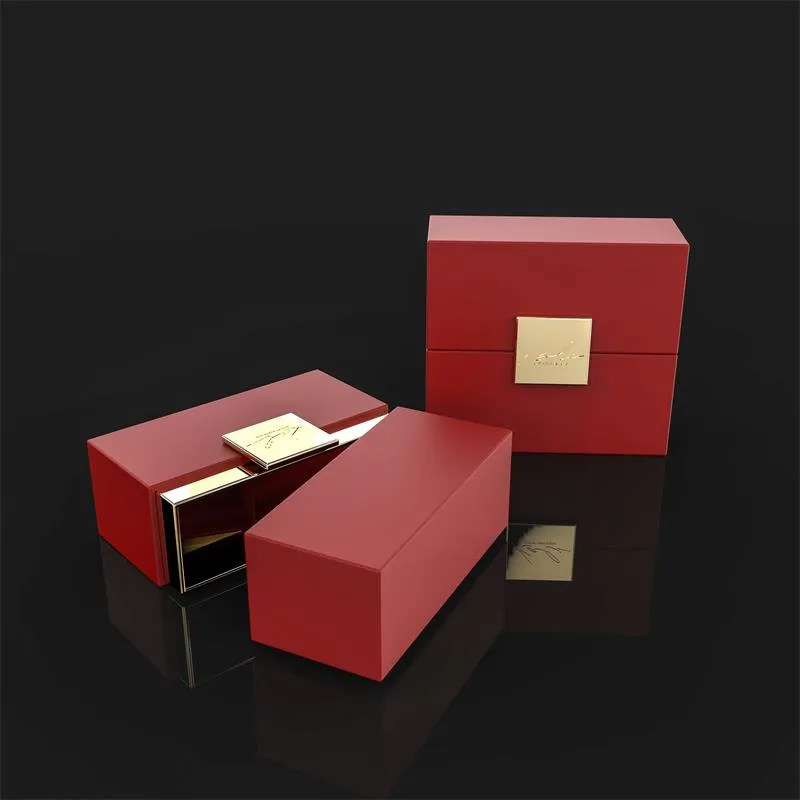
Caps, collars, and decorative elements in brass, aluminum, or zinc alloy add weight and prestige. Gold plating conveys opulence while brushed nickel suggests modernity. These metals allow for intricate engraving or embossing that catches light beautifully. Antimicrobial copper alloys are emerging for functional benefits beyond aesthetics.
High-density paperboard forms the backbone of most outer packaging, with thicknesses from 18pt to 36pt balancing protection and elegance. custom perfume boxes utilize specialty papers like linen-textured stocks or those with pearlescent finishes that reflect light differently depending on viewing angle.
Bamboo pulp papers, mushroom-based leathers, and ocean plastics are being adapted for luxury packaging. These materials require special coatings to achieve the same premium feel as traditional options while maintaining environmental credentials through certified supply chains.
• Chemically inert – won't interact with fragrance
• Premium tactile experience
• Infinite recyclability
• Allows for creative shaping
• Heavy – increases shipping costs
• Fragile – requires protective packaging
• Energy-intensive production
• Limited opacity options
The Protective Science Behind Materials
Fragrance packaging materials must create multiple barriers: UV light filtration, oxygen permeability reduction, and physical shock absorption. Laminated paperboard with aluminum foil layers provides excellent light and air blocking for outer boxes. Silicone gaskets in bottle caps prevent evaporation while allowing smooth operation of spray mechanisms. Even the adhesives used in packaging must be carefully selected—some synthetic glues can impart unwanted odors over time.
of consumers try new products based on packaging appeal according to MWV Packaging research
Innovative materials like aerogel-infused padding provide superior cushioning with minimal thickness, while phase-change materials in shipping containers maintain temperature stability. These high-tech solutions often work invisibly, allowing designers to maintain clean aesthetics while providing robust protection. The best custom perfume boxes integrate these functional elements seamlessly into beautiful designs.
Material Psychology in Luxury Perception
The materials chosen communicate subconscious messages about brand positioning. Cold-pressed paper with visible fibers suggests artisanal craftsmanship, while high-gloss lacquered finishes convey modern sophistication. Magnetic closures in boxes create satisfying tactile feedback that enhances perceived quality. Even the sound of paper sliding against paper during unboxing can be engineered through material selection—crinkling tissue implies preciousness while smooth, silent movement suggests refinement.
Emerging materials challenge traditional luxury paradigms—recycled ocean plastics transformed into exquisite finishes, biodegradable glitters that decompose safely, or carbon-negative papers made from agricultural waste. These sustainable options are shedding their "eco-compromise" reputation through innovative processing that matches or exceeds conventional materials in performance and aesthetics. Forward-thinking brands use these materials not as limitations but as storytelling opportunities that resonate with environmentally conscious consumers.