
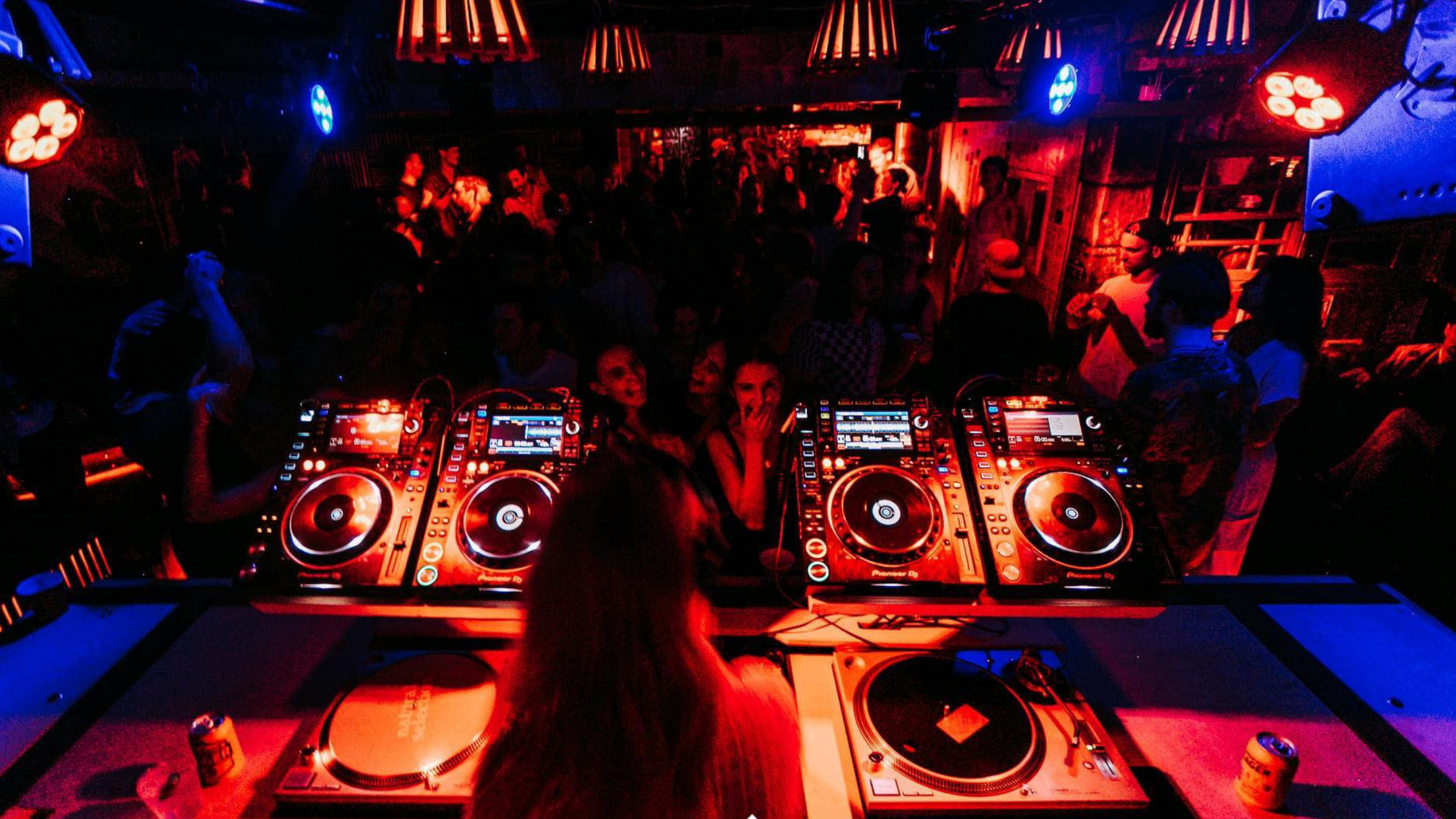
Nightclubs have been a radiant part of metropolitan culture, offering as epicenters for audio, party, social relationship, and entertainment. These establishments are far more than areas to drink and party; they symbolize a distinctive ethnic sensation wherever people from diverse skills bond to have energy, beat, and relationship in the after-dark hours. From the sporting neon lights to the thumping bass that vibrates through the floor, clubs develop an immersive atmosphere that captivates the senses and offers an avoid from the day-to-day grind.
At their primary, nightclubs are created to be cultural hubs, giving an setting where patrons may rest and show themselves freely. The environment within a 천안 한국관나이트클럽 is carefully curated through light, audio, and decoration to evoke a feeling of pleasure and exclusivity. The DJ frequently acts since the maestro, blending paths effortlessly to keep up the movement of energy and keep consitently the dance ground alive. The selection of audio is crucial, as it pieces the tone for the morning and influences the crowd’s mood. Whether it’s pulsating electronic dance music, clean house defeats, or high-energy hip-hop, the soundtrack of a nightclub is essential to their identity.
The social aspect of clubs can’t be overstated. These settings provide a special place where guests become buddies, and romances are deepened. The communal connection with dancing and celebrating together creates securities that transcend the ordinary. For all, an evening at the team is to be able to meet new persons, observe milestones, or simply appreciate a night out from responsibilities. The inclusive nature of several clubs also shows broader cultural developments, enjoying diversity in era, ethnicity, and sexual orientation, creating them areas of national appearance and acceptance.
Along with being centers of entertainment, clubs have historically played a part in the growth of music and party trends. Many styles, such as disco, house, techno, and hip-hop, discovered their sources and audiences within nightclub walls before scattering into popular culture. DJs and performers usually use these spots as testing reasons for new seems, styles, and technologies. The innovation noticed in clubs has affected not only audio but additionally fashion and cultural attitudes, making them essential national incubators.
The economics of nightclubs are complicated and challenging. Owning a successful club involves handling artistic vision with business acumen. Area measurement, location, pricing, security, and promotion all factor in to a club’s success. Several clubs work on slim edges and experience opposition not merely from other groups but also from alternative activity options. Nevertheless, those who thrive handle to produce a faithful clientele and a memorable atmosphere that maintains patrons returning night after night.
Safety and regulation have become significantly important in nightclub operations. With large crowds and liquor usage, ensuring a safe environment is crucial. Many clubs now invest seriously in safety workers, crowd administration, and disaster practices to protect their guests. Furthermore, the rise of wellness concerns, such as for instance through the COVID-19 pandemic, has pressed clubs to change by utilizing new hygiene criteria and sometimes reimagining the team experience altogether.
Eventually, nightclubs tend to be more than simply venues—they are vibrant social ecosystems that reveal and shape contemporary culture. They provide a place wherever audio, style, dance, and social conversation mix in to a effective experience of flexibility and community. Whether it’s a regional favorite or even a world-famous hotspot, the attraction of the nightclub remains powerful, drawing persons in to its rhythmic embrace and encouraging a night to remember.